
New Policy Strengthens Disaster Response and Health Services in Sigi
New Policy – Under the New Policy, PT Citra Palu Minerals (CPM) and the ESDM Disaster Response Post have significantly enhanced their efforts to provide emergency health services and logistical support in Sigi, Sulawesi Tengah, following the recent earthquake. This initiative aims to ensure that affected communities receive timely medical care and essential supplies during the critical recovery phase. The New Policy has streamlined coordination between local authorities and private sector partners to improve the efficiency of disaster relief operations.
Collaborative Efforts for Effective Relief
The New Policy has fostered a stronger collaboration between CPM and the ESDM Disaster Response Post, enabling the distribution of food, beverages, and temporary shelters to residents in Nokilalaki district. These efforts are managed through a centralized system at the kecamatan office, ensuring that aid reaches the most vulnerable populations without delays. The policy emphasizes transparency and real-time monitoring to address gaps in resource allocation.
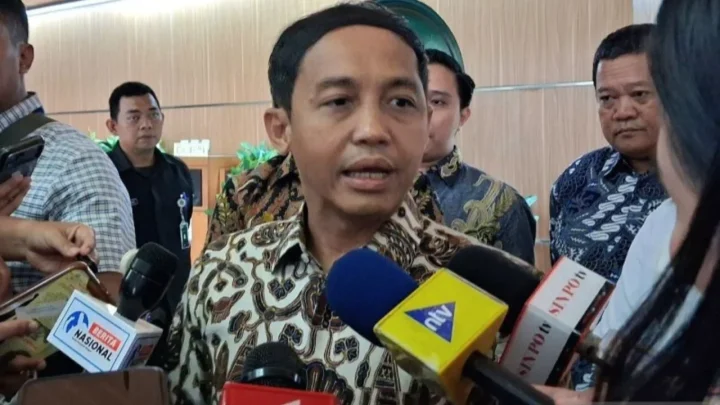
“Since the sixth day after the earthquake, companies involved in the ESDM Disaster Response Post have continued to deliver aid under the New Policy, focusing on both immediate needs and long-term recovery,” said Fuad, a paramedic from CPM, during a press statement in Sigi on Sunday.
Fuad highlighted that the New Policy has allowed teams to adapt to evolving conditions, such as environmental health concerns and psychological stress, while maintaining a consistent supply of medical services.
Health Services in the Affected Areas
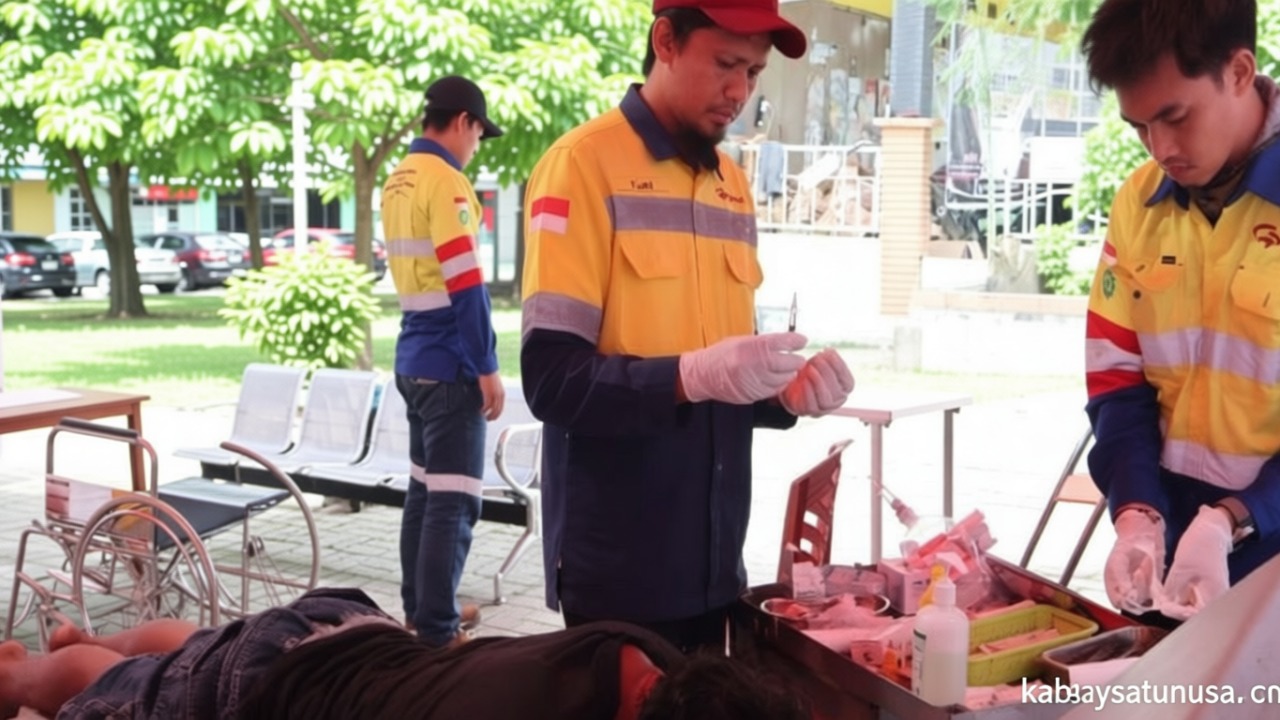
Complementing the logistical support, the New Policy has also prioritized expanding free health services in disaster zones. CPM’s medical teams work closely with the Ministry of Energy and Mineral Resources (ESDM) to bolster local healthcare infrastructure. These services operate around the clock, addressing injuries and health issues arising from the earthquake’s aftermath.
According to the head of Nokilalaki Health Center, Muzna, approximately 200 residents have accessed medical care under the New Policy. Initially, the majority of patients suffered from physical injuries due to collapsed buildings, but the focus has shifted to treating illnesses related to environmental factors and mental health challenges. The policy ensures that medical professionals are equipped to handle diverse health emergencies during the crisis.
Following the earthquake, the New Policy has facilitated the rapid deployment of resources to Sigi, where over 2,335 homes were damaged. The BPBD Sigi reported that 8,586 individuals were impacted, with 17 people sustaining severe injuries and three fatalities. This data underscores the importance of the New Policy in scaling up emergency response to meet the community’s needs.
Long-Term Impacts of the New Policy
As the New Policy continues to take effect, its impact on the community is becoming evident. Beyond immediate relief, the policy has initiated long-term strategies to rebuild infrastructure and strengthen preparedness. For instance, CPM has allocated funds to upgrade health facilities and train local personnel in disaster management. This proactive approach aims to reduce future vulnerabilities and improve resilience in the region.
Residents have expressed gratitude for the New Policy’s comprehensive support, which includes both medical care and livelihood assistance. “The New Policy has given us hope,” shared one local villager. “Not only do we have access to health services, but we’re also receiving help to restore our daily lives.” Such testimonials highlight the policy’s effectiveness in fostering community trust and ensuring sustainable recovery.
Experts emphasize that the New Policy sets a precedent for integrated disaster management in Indonesia. By combining corporate resources with government frameworks, it provides a scalable model for responding to future crises. The success of this initiative in Sigi could inspire similar policies nationwide, reinforcing the nation’s commitment to disaster resilience.